Water Damage Restoration Oceanside, CA
Burst pipe, slab leak or storm water in the house? Standing water moves into subfloor, baseboard and drywall within hours, so the first call matters more than the first repair.
(888) 450-9281Call now for emergency water removal in Oceanside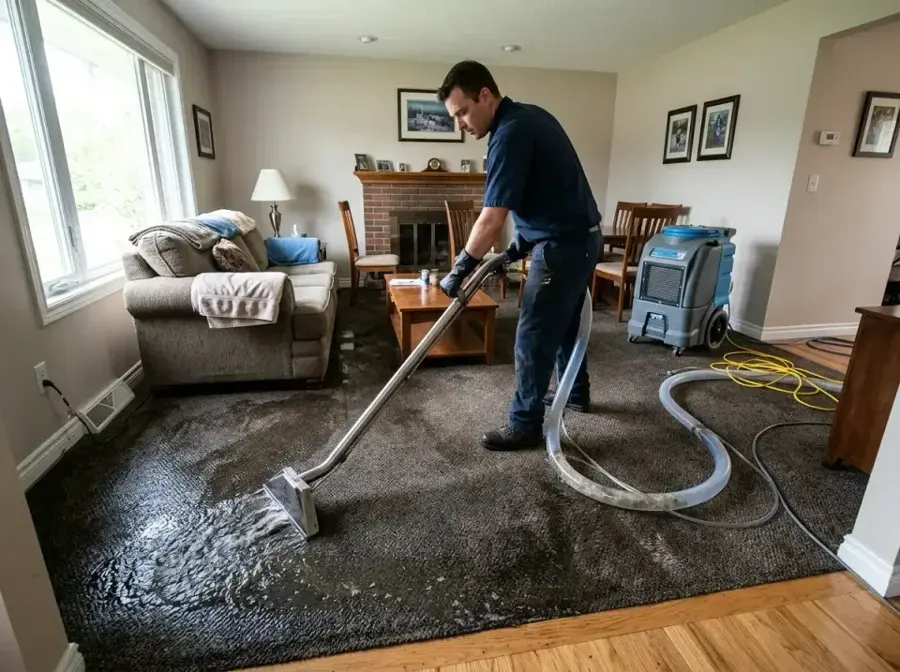
What to do while the water is still moving
- 1
Shut the water off
Close the fixture valve or the main, usually by the front hose bib or in the garage.
- 2
Kill power to wet rooms
Only if the breaker panel sits in a dry spot. Stay out of water near outlets.
- 3
Photograph first
Take photos and video of the water and the damage before moving anything.
- 4
Lift and call
Lift rugs and valuables off the floor, then call. The 24 to 48 hour mold window starts now.
Water Damage Restoration Services in Oceanside, CA
What the local restoration pros handle, from the first gallon extracted to the last moisture reading.
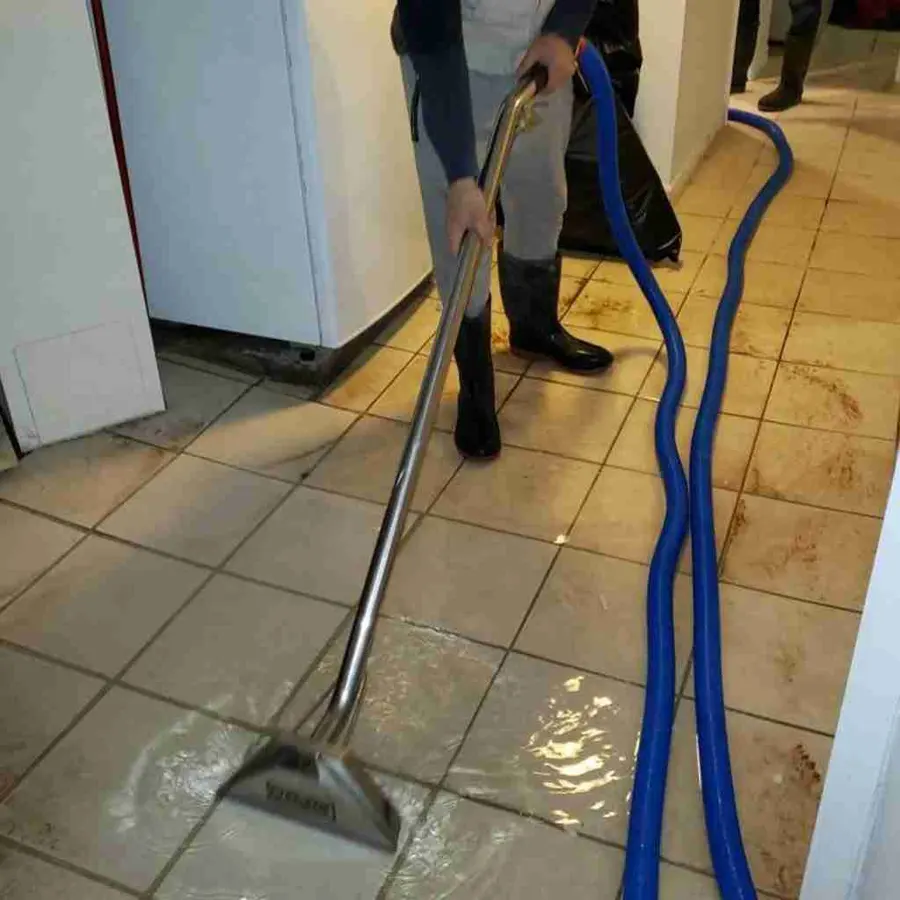 Water ExtractionStanding water pulled out first, before it wicks into walls and cabinets.Read the guide
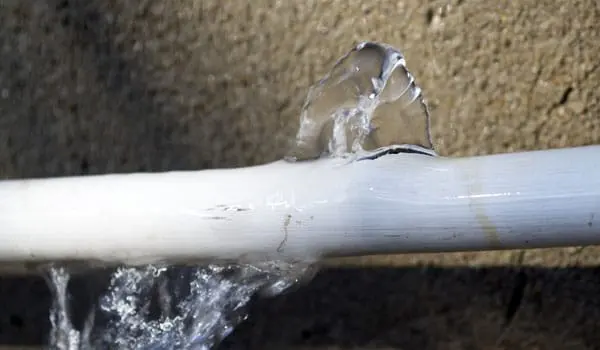 Burst Pipe CleanupA pressurized line that lets go floods fast; shutoff, extraction, cavity drying.Read the guide
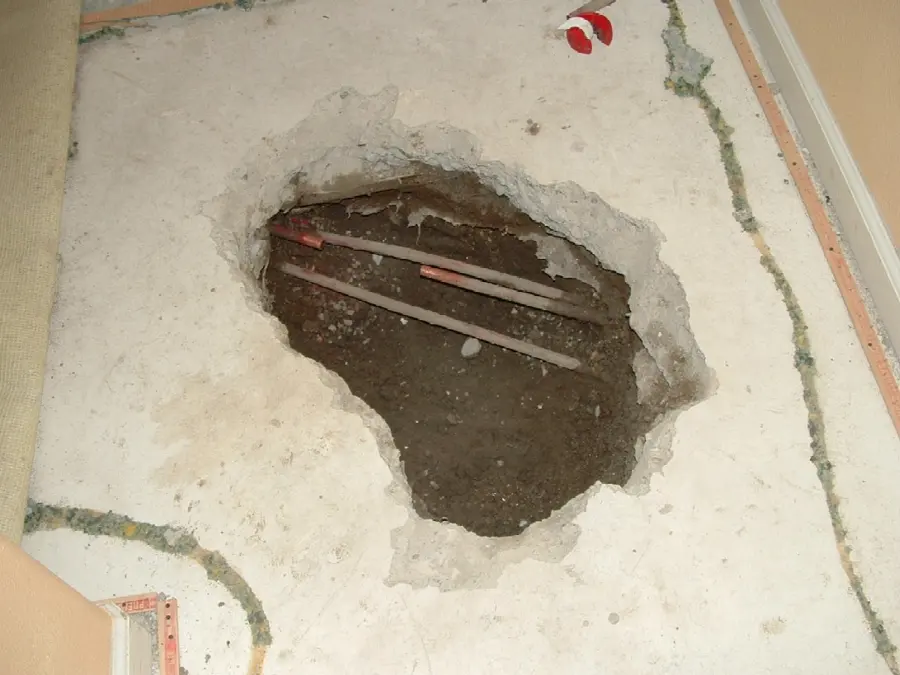 Slab Leak Water DamageHidden copper leaks under the slab that soak flooring from below.Read the guide
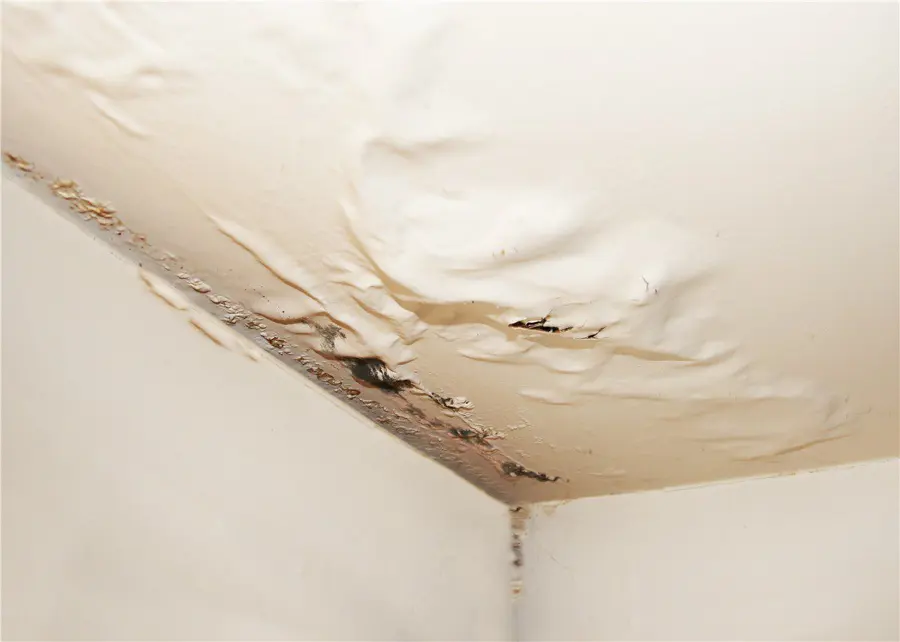 Ceiling Leak Water DamageWater from an upstairs bath or condo above, traced and dried in place.Read the guide
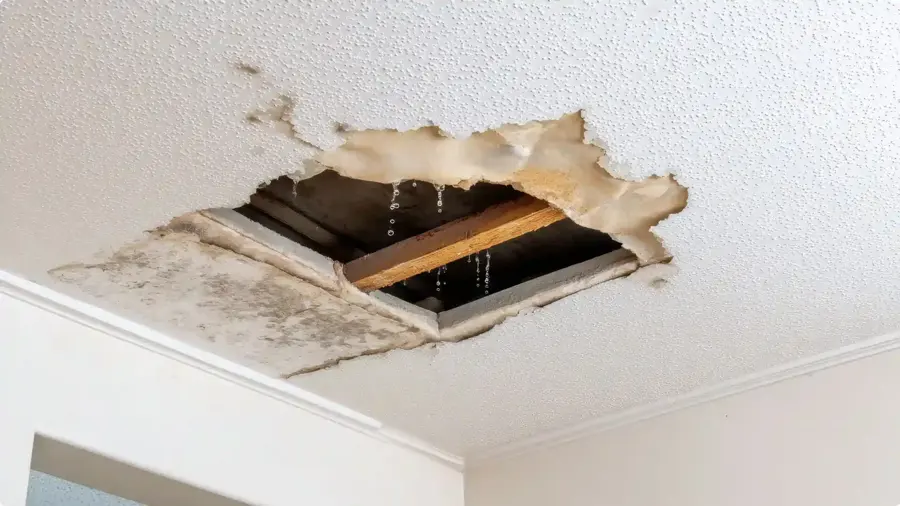 Roof Leak Water DamageWinter storm water through tile, flat roofs and flashing, dried out.Read the guide
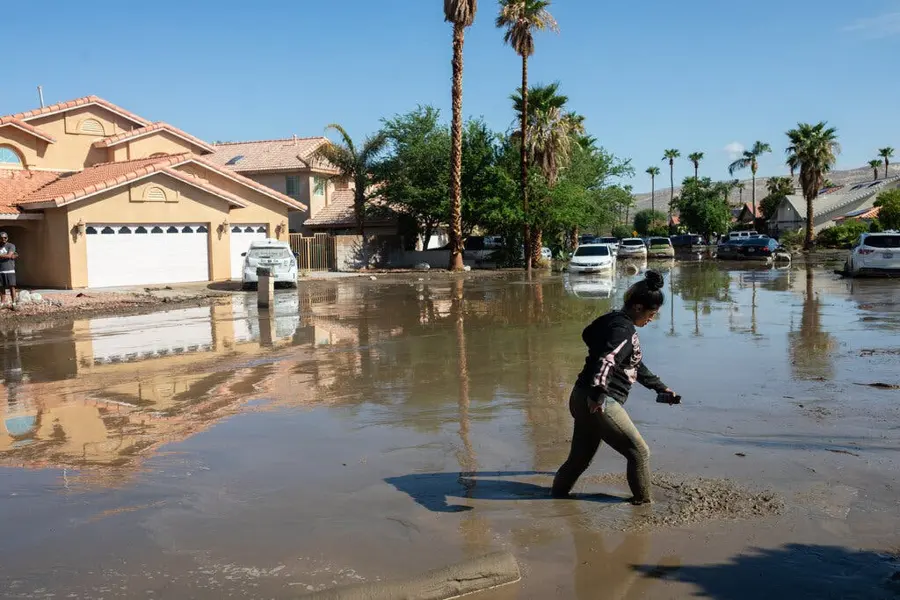 Flood CleanupCreek and street water after a winter storm, cleaned and dried.Read the guide
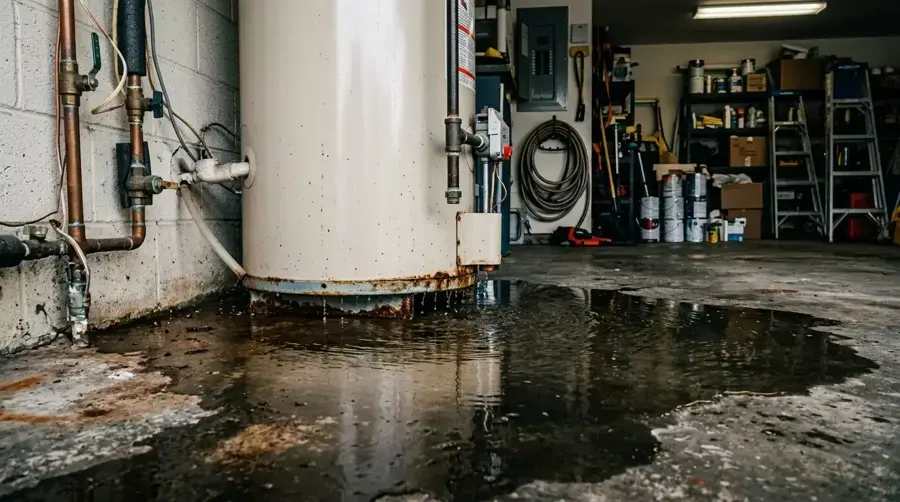 Water Heater Failure CleanupGarage tanks that rupture or leak at the base, extracted and dried.Read the guide
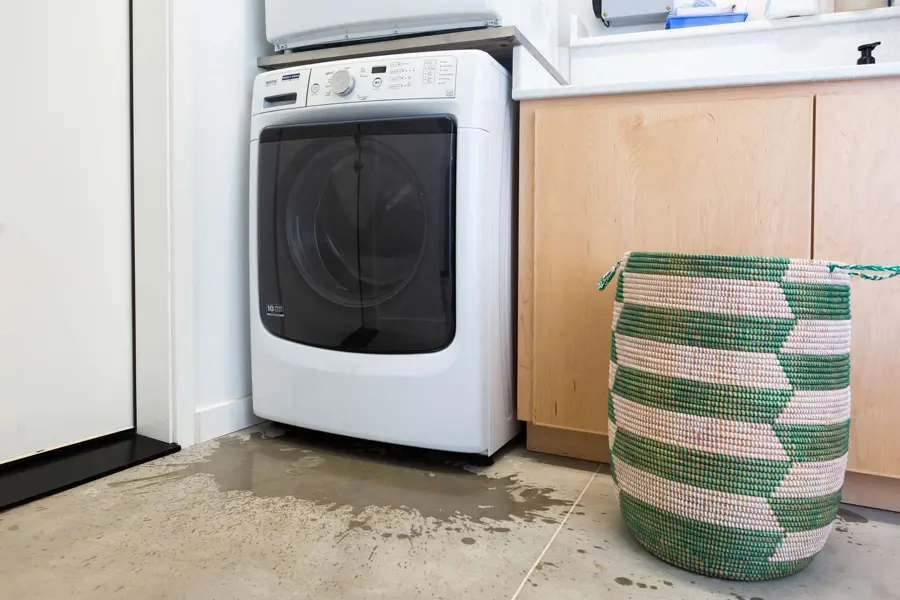 Appliance Leak CleanupWasher, dishwasher, fridge and toilet supply line failures.Read the guide
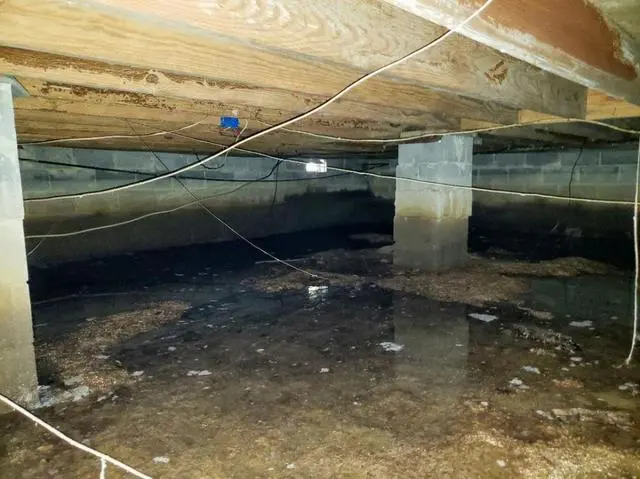 Crawl Space Water DamageWater under raised-foundation homes near the coast, pumped and dried.Read the guide
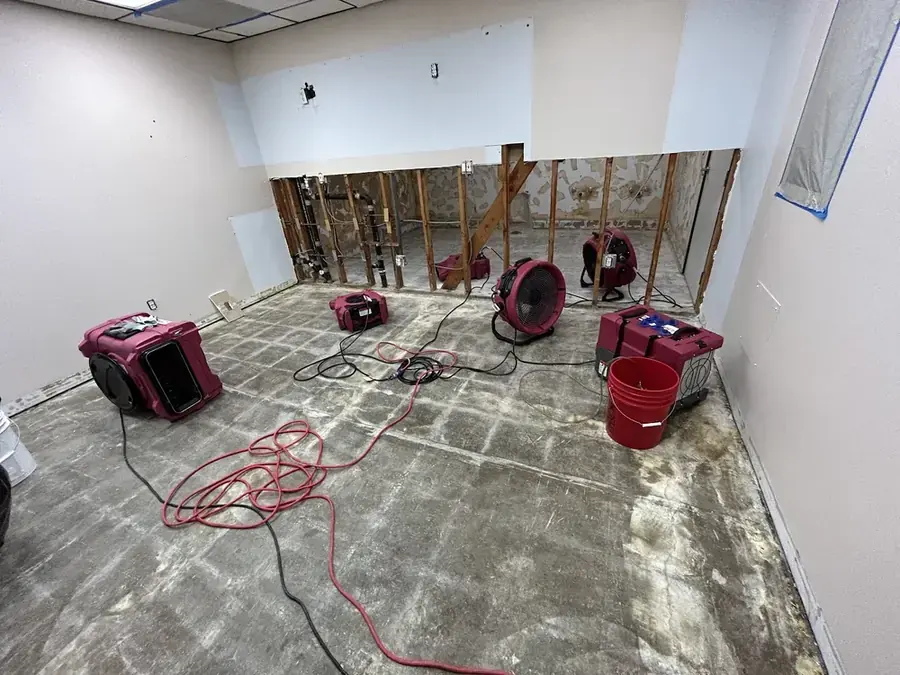 Structural DryingFraming, subfloor and wall cavities dried to a measured goal.Read the guide
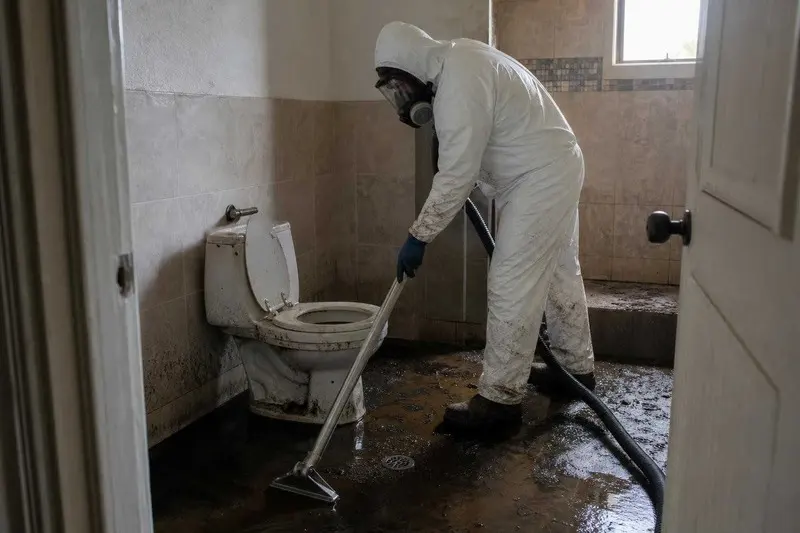 Sewage CleanupCategory 3 backups contained, removed and disinfected.Read the guide
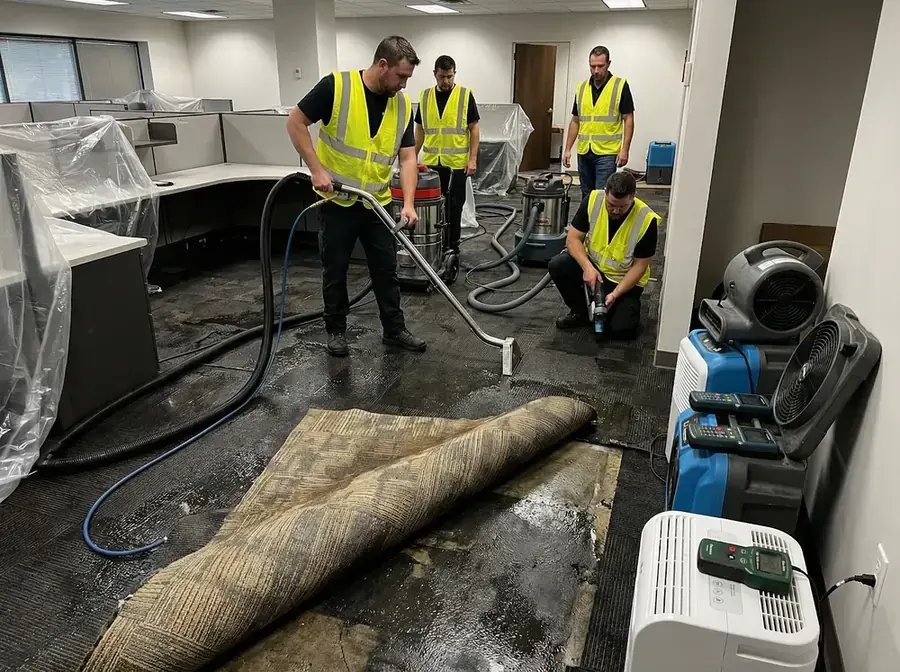 Commercial Water DamageOffices, storefronts and rentals dried with as little downtime as possible.Read the guide
Water damage dried to the IICRC S500 standard
What separates a finished dry-out from a cosmetic one is the order of the work. Structural drying, not just surface drying, means the framing, subfloor and slab are measured and dried, and the equipment stays until the readings say dry.
Category 1, 2 and 3 water are handled differently, and Class 1 through 4 sets how much equipment a room needs.
1. Moisture mapping
The tech who does the walkthrough maps wet areas with pinless meters and thermal imaging before any equipment goes down.
2. Extraction
The extraction crew pulls standing water out with truck-mounted units so it leaves the house instead of soaking in.
3. Air movers and LGR
Air movers are set to each room's evaporation load, and LGR dehumidifiers pull that moisture out of the air.
4. Daily readings
Readings are logged daily until wet materials sit within 2 to 4 points of a dry reference material.
What a water damage dry-out looks like in Oceanside
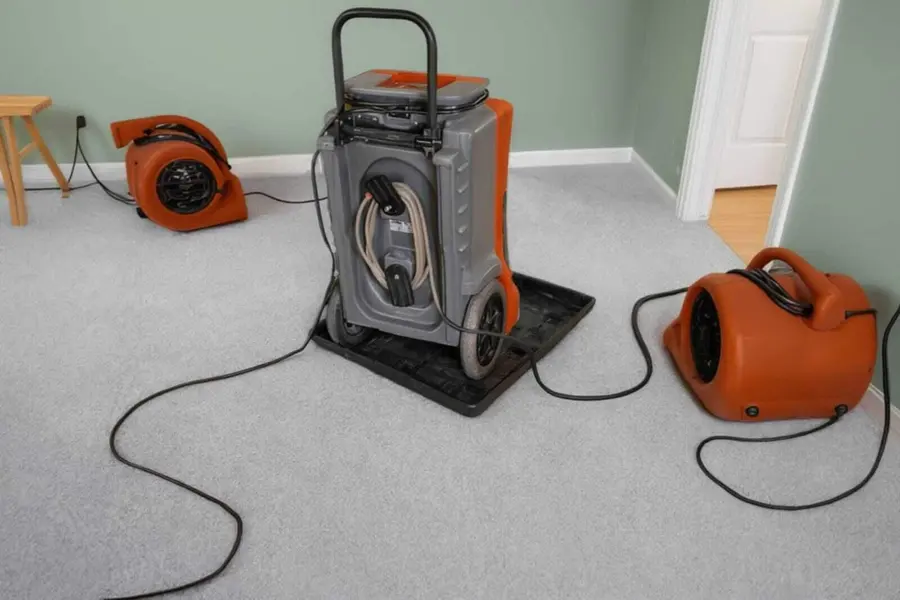
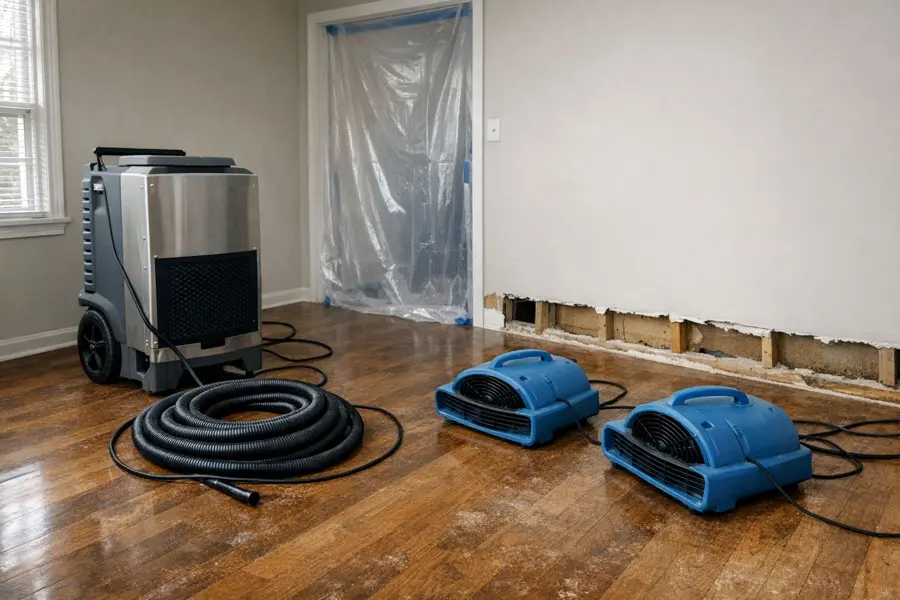
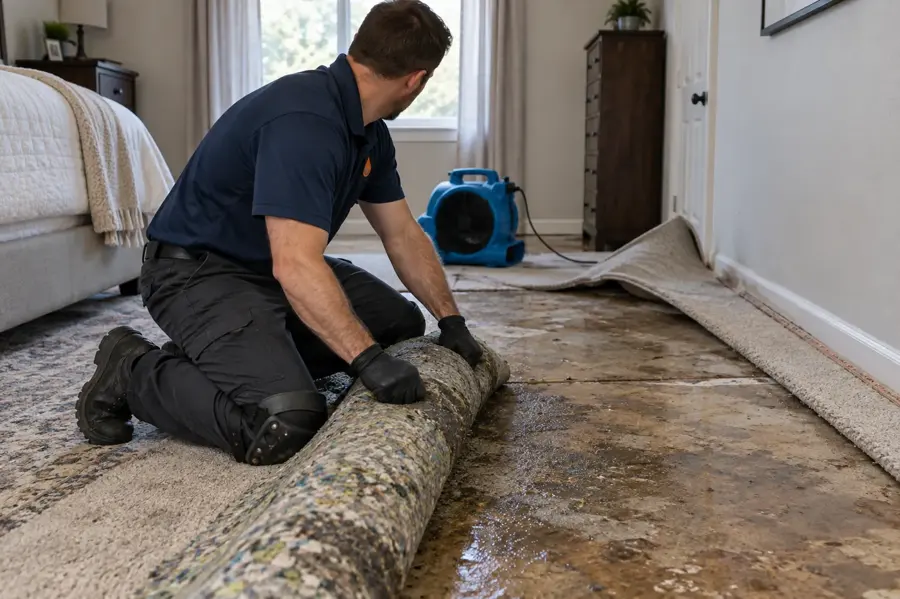
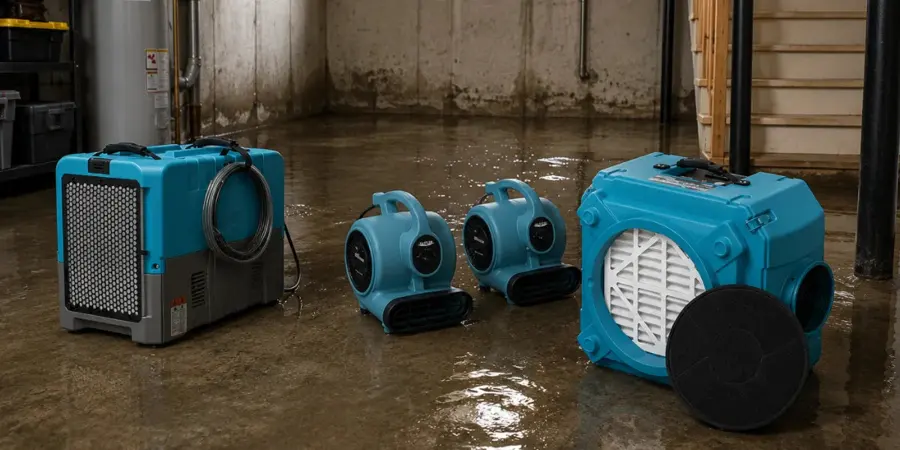
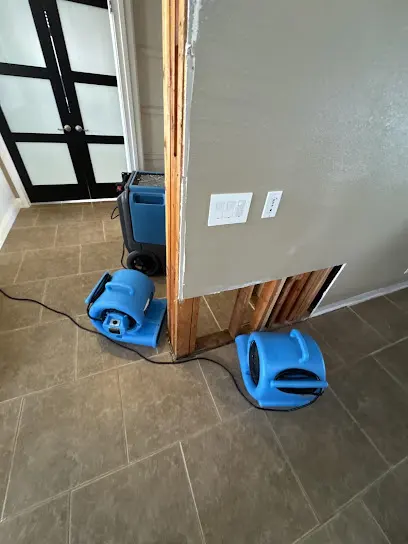
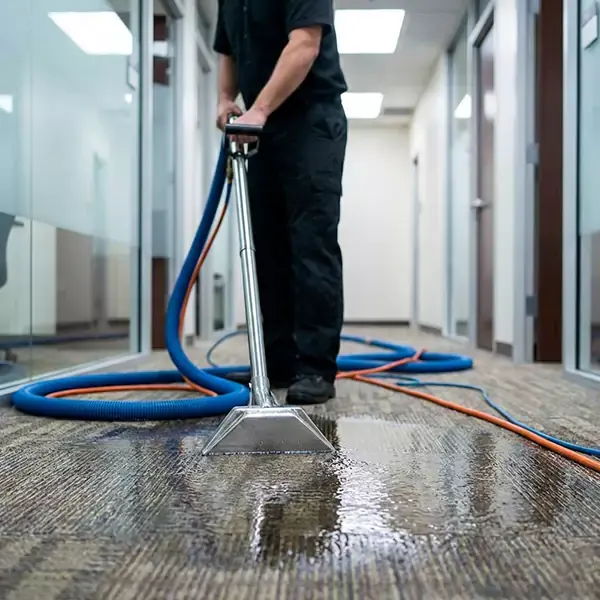
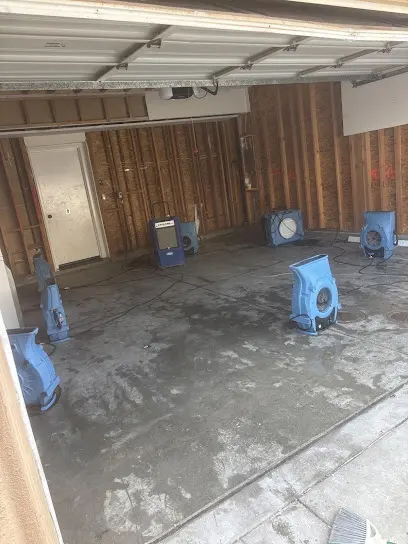
Representative photos of extraction and drying equipment at work. Scroll sideways for more.
Why Oceanside calls the local water pros first
One number for every water emergency an Oceanside home or business runs into, answered around the clock by the restoration team.
Rapid local response
The Oceanside restoration team responds around the clock and works the city every day, from the harbor to Ocean Hills.
IICRC S500 drying standard
The drying follows the industry standard: water category and class first, then equipment sized to the room, then a measured finish.
Claim-ready documentation
Moisture maps, daily drying logs and timestamped photos before any demolition are the records an adjuster reads.
North County water experts
Slab leaks, garage water heaters, beach condos and winter storm water are the everyday work in Oceanside.
All water damage categories covered in Oceanside, CA
Clean water
A supply line, burst pipe or water heater. Extracted and dried in place before it turns dirty.
Gray water
Washer and dishwasher discharge or a toilet overflow without waste. Soaked porous materials are cleaned or removed.
Black water
Sewage, and storm or creek water from outside. Porous materials it touches get removed, not dried.
See sewage cleanupWhat does water damage restoration cost in Oceanside, CA?
In Oceanside, CA, water damage restoration typically runs $800 to $8,000 or more, depending on the water category, the square footage that got wet, the materials involved and how fast drying started. Sewage and flood losses sit at the top of the range.
- One room or hallway
- Extraction and air movers
- Three to five days of drying
- Flooring or pad removal
- Wall cavity drying
- LGR dehumidifiers and daily logs
- Sewage or flood water
- Material removal and antimicrobial
- Full structural drying
For a planning number, try the water damage cost calculator or the drying time estimator.
Documentation for your insurance claim
A water claim is decided on the file, not the phone call. A complete file carries:
- the moisture map from the first visit
- daily psychrometric and moisture logs
- timestamped photos taken before any demolition
- the category and class of the loss and a line-item scope
Sudden and accidental water, like a burst supply line, is treated differently from rising surface water, which falls under flood coverage. Coverage depends on your policy, so it is worth checking with your own insurer.
One call reaches Oceanside water damage pros, 24/7
The Oceanside restoration team responds day and night and asks for the cross street and which rooms are wet, because that decides what goes on the truck.
Oceanside Water Mitigation Oceanside, CA (888) 450-9281 Open around the clock Find us on Google
Water damage in Oceanside, CA: the local risk profile
Oceanside is mostly slab homes built in the 1970s through the 1990s, with older raised-floor cottages near the coast. Rain is rare, then arrives in a few heavy winter storms.
- Slab and pinhole leaks in 30 to 50 year old copper lines under the 1970s to 1990s tract homes east of I-5.
- Garage water heaters in Rancho del Oro, Mission San Luis Rey and Ocean Hills that fail at the end of their service life.
- Winter atmospheric-river storms that push Loma Alta Creek and San Luis Rey River water into low lots and garages.
- Marine-layer humidity near the beach that slows drying in South Oceanside, Downtown and St. Malo.
Oceanside water damage questions, answered
How quickly can someone respond to water damage in Oceanside?
The Oceanside restoration team responds 24/7 and sends a crew as soon as you call. How quickly they reach you depends on distance and traffic, from the coast to Morro Hills, so the best move is to call as soon as the water is found.
Is water damage covered by insurance in California?
Sudden and accidental water, such as a burst supply line or a failed water heater, is often covered by a California homeowners policy after the deductible. Flood water from outside usually needs a separate flood policy, and sewer backup often needs an endorsement. Coverage depends on your policy, so it is worth checking with your own insurer.
What causes most water damage in Oceanside?
Slab and pinhole leaks in aging copper lines, garage water heaters that fail, supply lines in condos, winter storms that test roofs, and creek and street water during heavy rain along Loma Alta Creek and the San Luis Rey River.
How long does it take to dry a house after water damage?
A contained Class 1 or 2 loss usually dries in three to five days. Hardwood, plaster and concrete slabs take longer, and the coastal marine layer can add time. Equipment comes out when the readings say dry, not on a fixed date.
What is the IICRC S500 standard?
IICRC S500 is the industry standard for professional water damage restoration. It defines water categories 1 to 3, classes of loss 1 to 4, how much equipment a room needs, and how drying is verified with moisture readings.
What should I do right now while water is still coming in?
Shut off the water at the main or the fixture, switch off power to wet rooms if the panel is dry, stay out of standing water near outlets, photograph everything before moving it, lift rugs and valuables off the floor, and then call.
What is the difference between water mitigation and repair?
Mitigation is the emergency phase: extraction, drying and cleaning to stop the damage from spreading. Repair, or reconstruction, replaces drywall, flooring and cabinets after the structure is dry. They are often separate line items in a claim.
When does drywall have to be cut out?
Drywall that is sagging, crumbling, touched by Category 3 water, or holding water behind vinyl coverings or insulation usually gets cut out. Firm drywall wet with clean water can often be dried in place.
Why is sewage cleanup handled differently?
Sewage is Category 3 water from the moment it happens. Porous materials it touches get removed, not dried, and the work is done with protective gear, containment and HEPA air scrubbers.
How is the cost of water damage restoration calculated?
The main drivers are the water category, the square footage that got wet, the material class (carpet, drywall, hardwood, concrete), and how quickly drying started. The water damage cost calculator shows typical Oceanside ranges.
Water in your Oceanside home right now?
The restoration team works around the clock and starts with the extraction.