What structural drying means
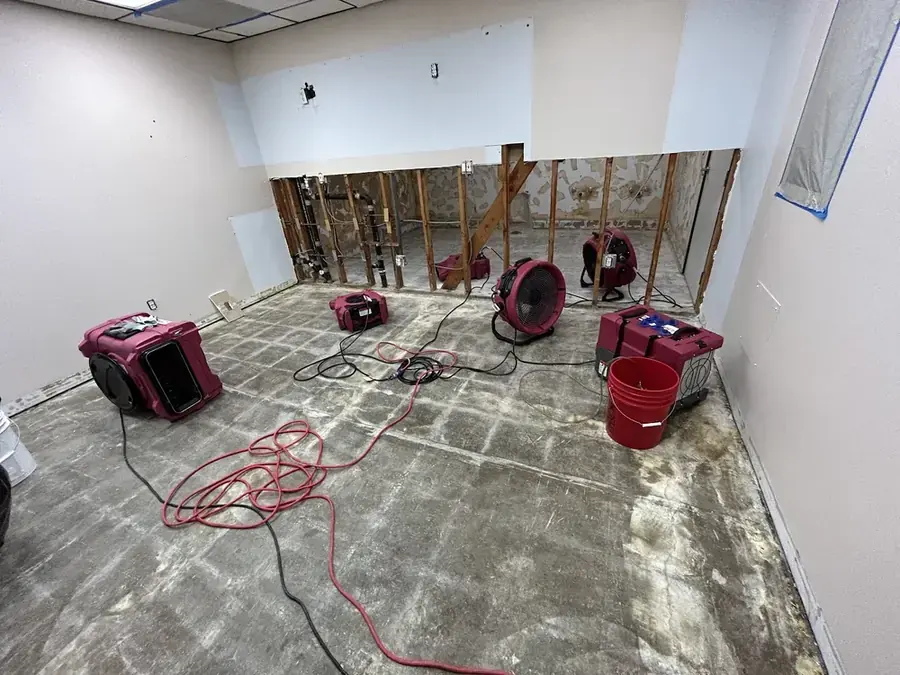
Surface drying makes a floor feel dry. Structural drying gets the water out of the drywall core, the framing, the subfloor and the slab. The drying team starts with a moisture map, places equipment to match the evaporation load of each room, and records readings every day.
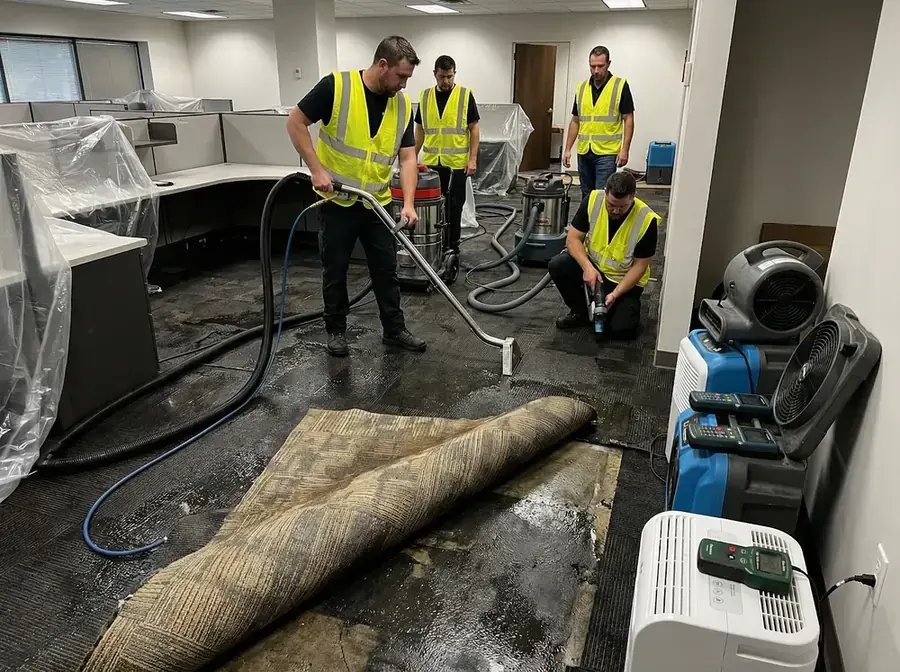
- Air movers push air across wet surfaces to speed evaporation.
- LGR dehumidifiers remove that water vapor from the air.
- Drying mats and injection systems target hardwood floors and wall cavities.
- Thermal imaging and pinless meters track progress without tearing into walls.
Drying on the Oceanside coast
Coastal Oceanside has a humid marine layer much of the spring and early summer, often called May Gray and June Gloom. Humid outside air slows drying if windows are left open, so crews keep the space closed and let the dehumidifiers control the air. Inland neighborhoods such as Ocean Hills and Guajome are drier, and the occasional Santa Ana wind makes drying faster. Local conditions are posted by the National Weather Service San Diego office.
When the equipment comes out
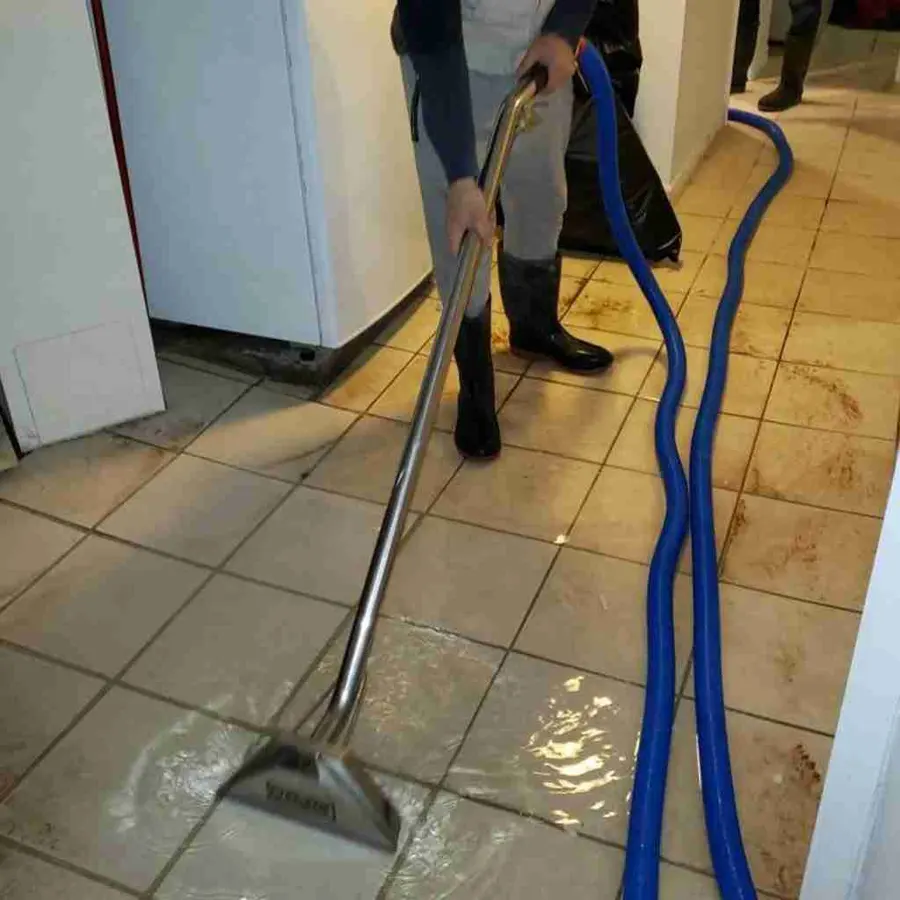
Equipment leaves when the readings say dry: wet materials within 2 to 4 points of a dry reference material in an unaffected part of the same building. Most contained losses dry in three to five days; hardwood and plaster take longer. Mold can begin within 24 to 48 hours on wet materials, according to the EPA guide to mold and moisture, which is why drying starts right after extraction.
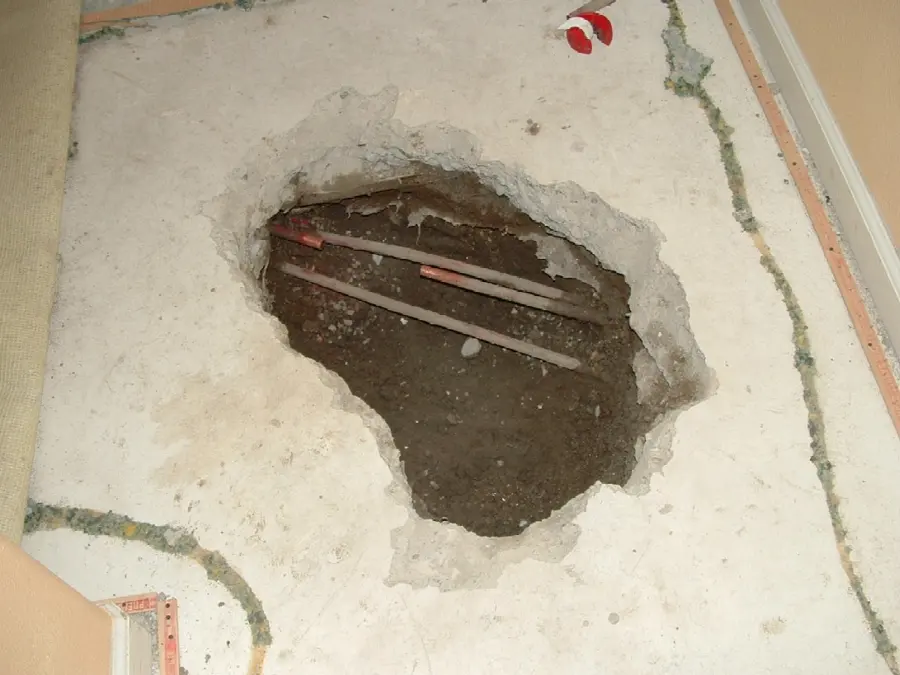
Drying follows every other service the restoration team handles, including water extraction and slab leak water damage.