Why slab leaks are common in Oceanside
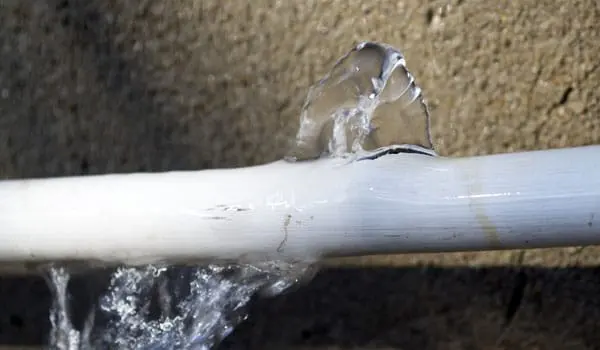
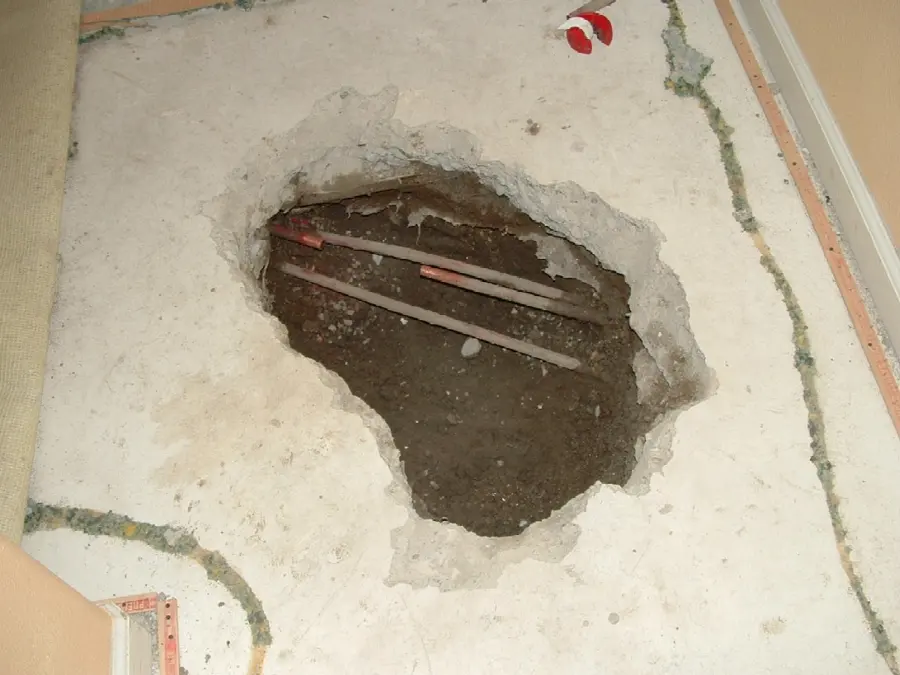
Much of Oceanside east of I-5, from Rancho del Oro to Mission San Luis Rey and Ocean Hills, was built in the 1970s through the 1990s on concrete slabs with copper supply lines running underneath. Copper lines of that age, hard Southern California water and shifting soil all contribute to pinhole leaks and small splits under the floor.
- Pinhole corrosion in copper lines that are 30 to 50 years old.
- Pipes rubbing against concrete or gravel as the slab moves slightly.
- Hot water lines that expand and contract every day.
- Pressure spikes without a working pressure regulator.
The EPA WaterSense leak checklist shows how to use the meter to confirm a hidden leak before calling a leak detection plumber.
What the water damage side looks like
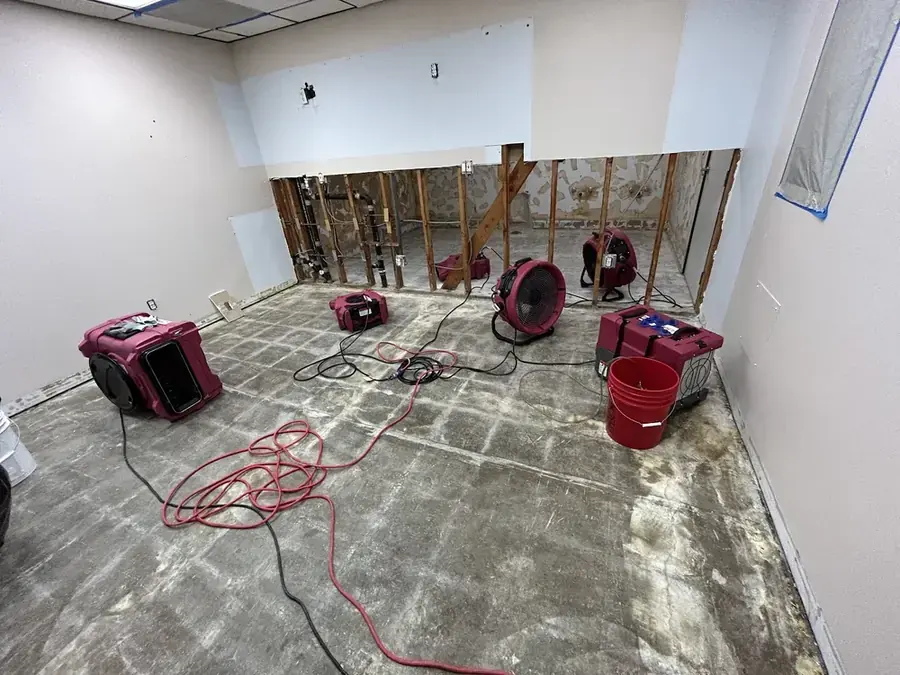
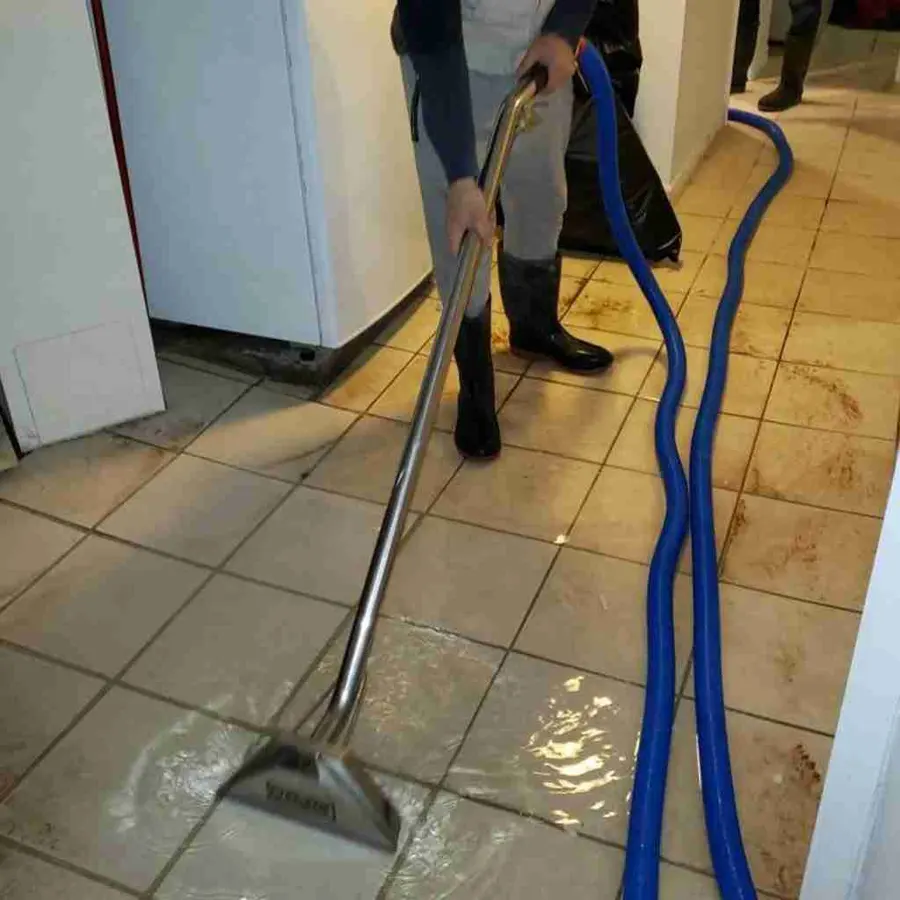
The plumber finds and repairs or reroutes the line. The drying team then deals with what the leak soaked: carpet pad and tack strip, laminate and engineered wood, the bottoms of cabinets and baseboards, and the slab itself. Concrete gives up water slowly, so this is one of the longer drying jobs.
Water from a slab leak that reaches drywall is handled the same way as a burst pipe, with cavity drying. See structural drying for how the drying goal is measured.
Insurance and slab leaks
Many policies treat the resulting water damage differently from the cost to access and repair the pipe, and a slow leak that ran for months may be treated differently from a sudden one. Coverage depends on your policy, so it is worth checking with your own insurer. The California Department of Insurance publishes consumer guides on homeowners claims.