Why sewage backs up in Oceanside homes
- Tree roots entering older clay and cast-iron laterals near Downtown and South Oceanside.
- Grease and wipes blocking the line between the house and the street.
- Heavy winter rain adding water to the sewer system during storms.
- Collapsed or offset pipe sections under older homes.
The EPA overview of sewer overflows explains how storms and blockages cause sewer overflows. A plumber clears or repairs the line; the cleanup is a separate job.
How sewage cleanup is done
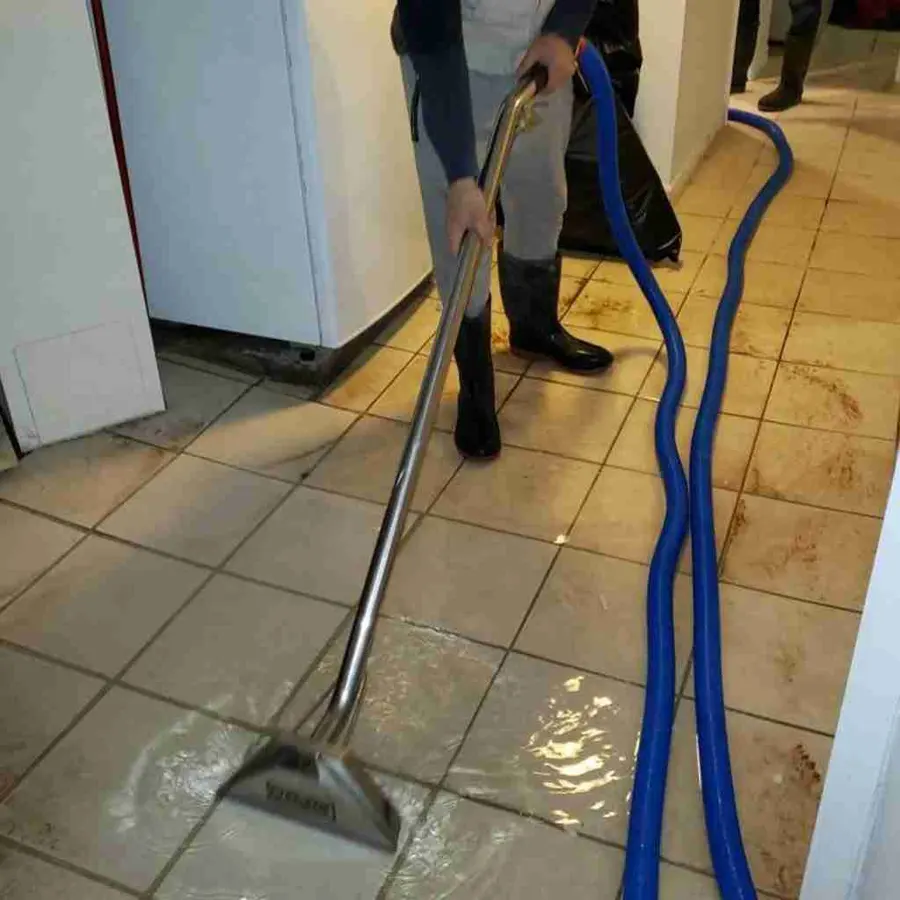
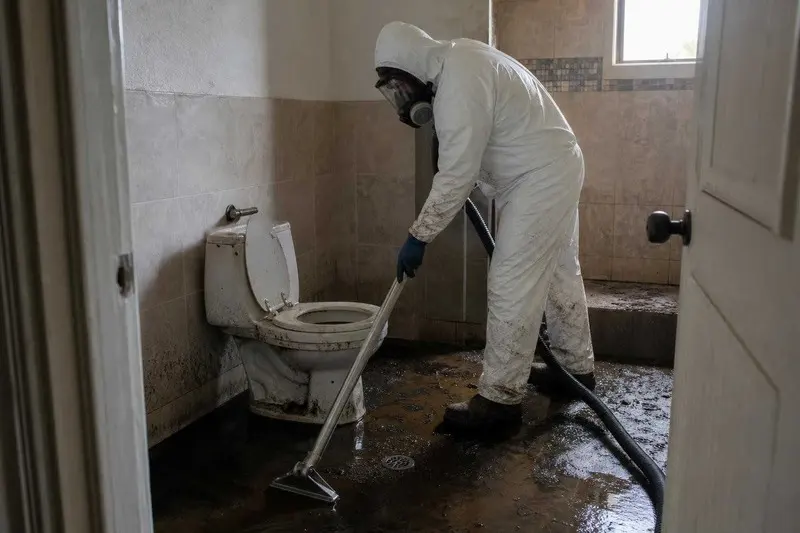
The mitigation team sets up containment with plastic sheeting and negative air so contamination stays in the affected area. The extraction crew removes the waste water, then cuts out drywall, insulation, carpet and pad that sewage touched. Hard surfaces are cleaned and treated with an EPA-registered antimicrobial, HEPA air scrubbers run throughout, and the structure is dried and checked with moisture meters.
Porous materials touched by Category 3 water get removed, not dried. That is the rule that separates sewage cleanup from ordinary water damage.
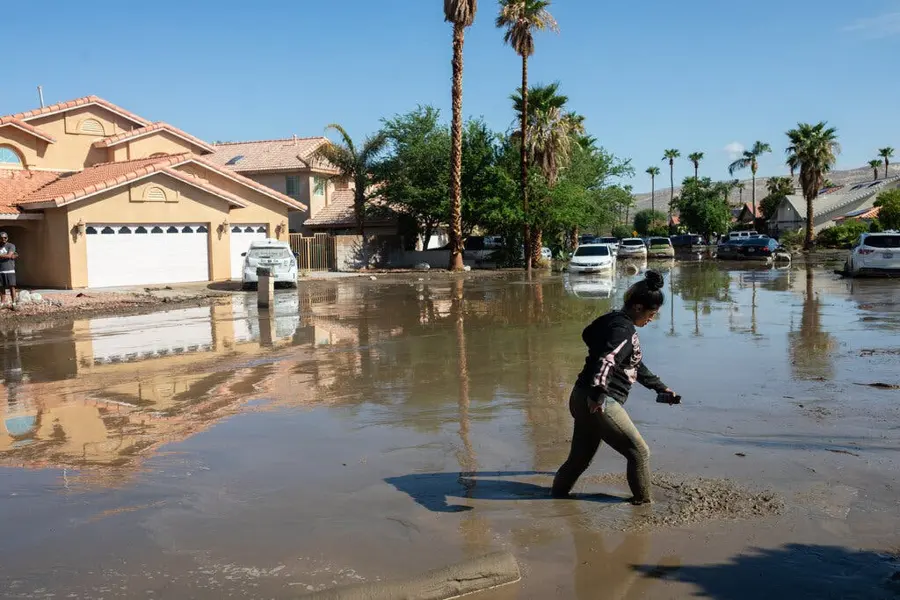
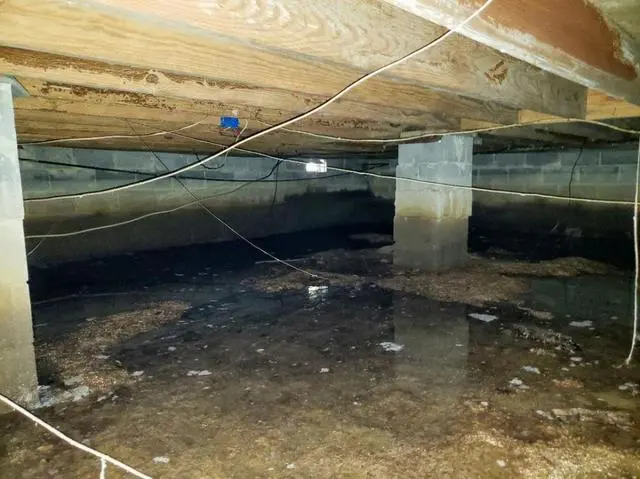
Storm water that comes in from outside is handled the same way; see flood cleanup. A sewer leak under a raised home is covered under crawl space water damage.
Insurance and sewage
Many California homeowners policies only cover sewer backup with a specific endorsement. Coverage depends on your policy, so it is worth checking with your own insurer. The California Department of Insurance has consumer guides on what homeowners policies include.