Why extraction comes before everything else
Water on a floor does not stay put. It wicks up drywall, soaks under vinyl plank and tile, and travels along the slab to rooms that looked dry an hour earlier. The extraction crew removes the bulk water first because evaporation is slow and expensive; pulling water out with suction is fast and cheap by comparison.
In Oceanside most homes east of I-5 sit on concrete slabs with carpet, laminate or tile on top, while many older cottages near Downtown and South Oceanside sit on raised foundations where water drains into the crawl space. The equipment plan changes with the floor, which is why the walkthrough comes first.
What the equipment actually does
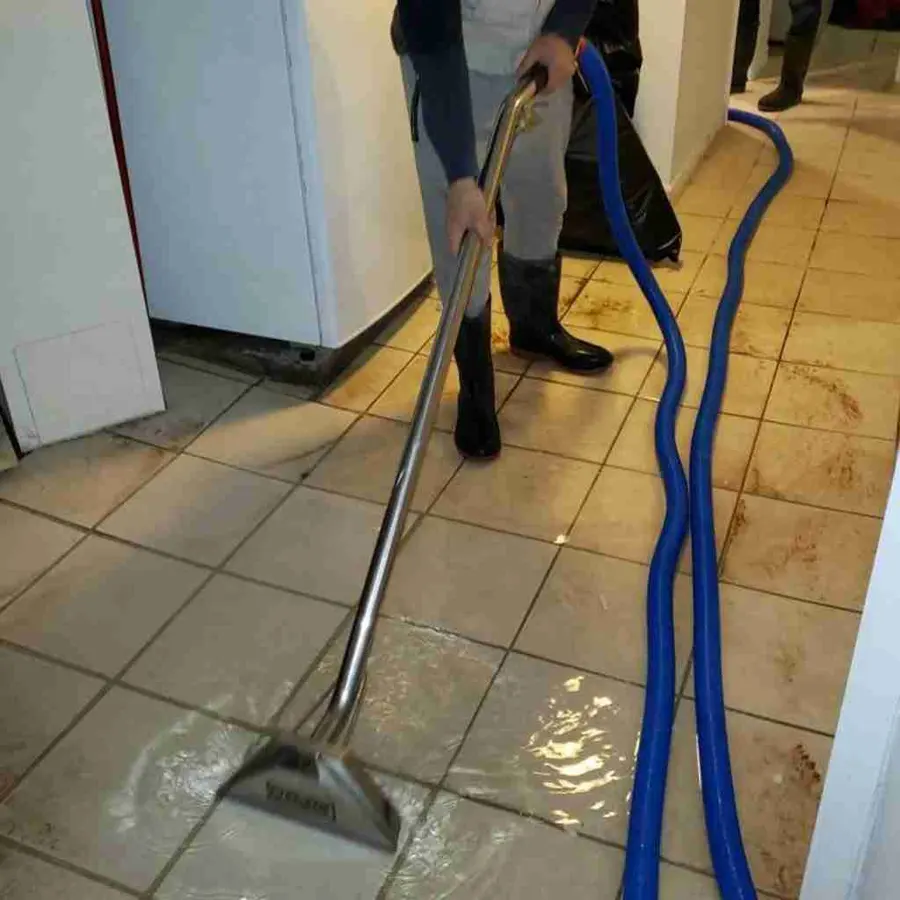
- Truck-mounted extraction units run powerful vacuum through long hoses, so the water leaves the house instead of pooling in a shop vac.
- Weighted extraction tools press water out of carpet pad that a wand alone would leave behind.
- Pinless meters and thermal imaging find water under flooring and behind baseboards.
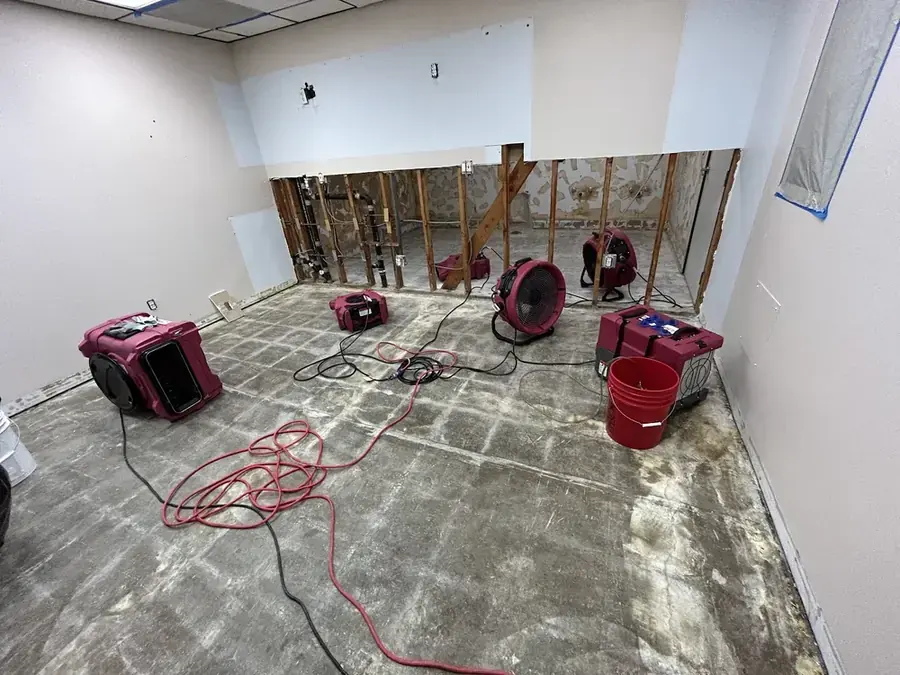
- Once extraction is done, air movers and LGR dehumidifiers take over the drying.
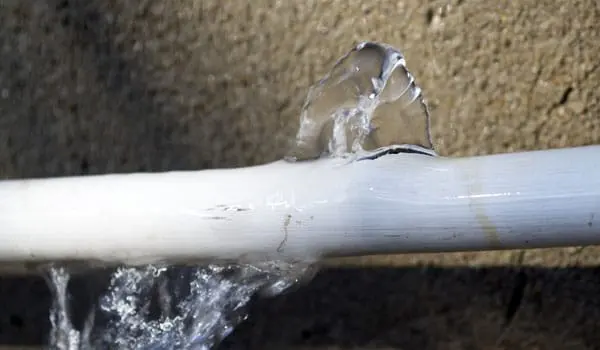
If the source was a failed line or appliance, see burst pipe cleanup and appliance leak cleanup. Dirty water from a toilet or sewer line is a different job; see sewage cleanup.
How fast it matters
Mold can start on wet organic material within 24 to 48 hours, according to the EPA guide to mold and moisture. Near the coast the marine layer keeps indoor air damp, so a room in South Oceanside or St. Malo often dries slower than the same room inland in Rancho del Oro. Getting water out early shortens the whole structural drying phase.
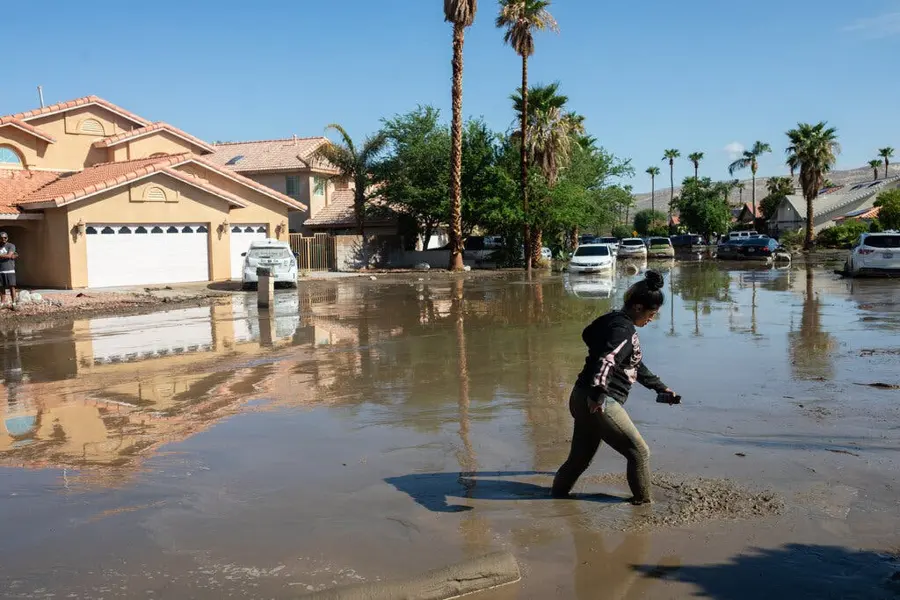
For storm or creek water in a home, the Ready.gov flood guidance explains why floodwater is treated as contaminated.