Why Oceanside crawl spaces get wet
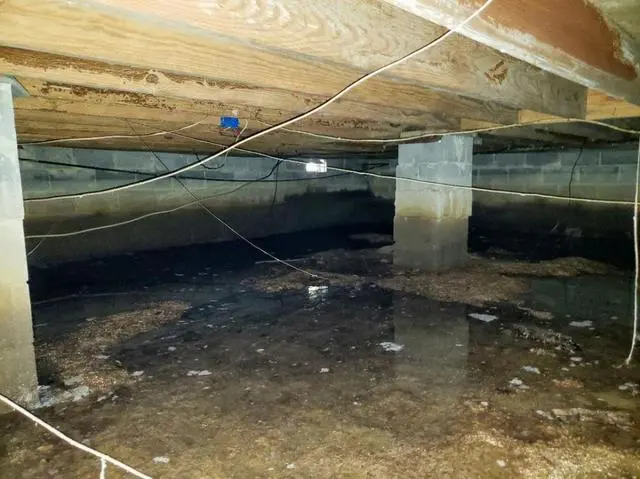
The raised-foundation homes in Oceanside's older neighborhoods, many built before the 1960s, have a crawl space between the ground and the floor. Water gets in several ways:
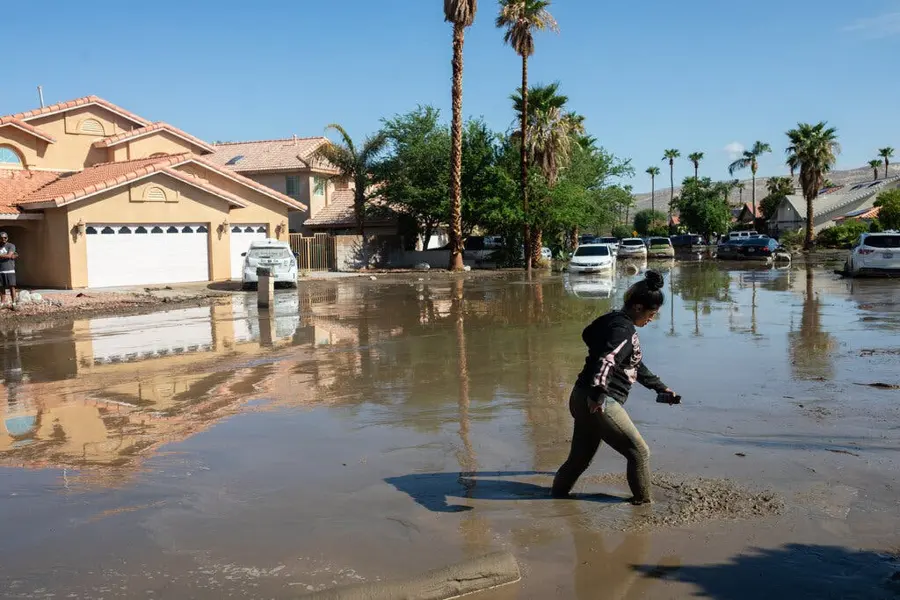
- Winter storm runoff draining toward the foundation on sloped lots.
- A leaking supply or drain line under the floor.
- A cracked clay or cast-iron sewer line under an older home.
- Marine-layer humidity condensing on cool surfaces when vents are blocked.
How a crawl space is dried
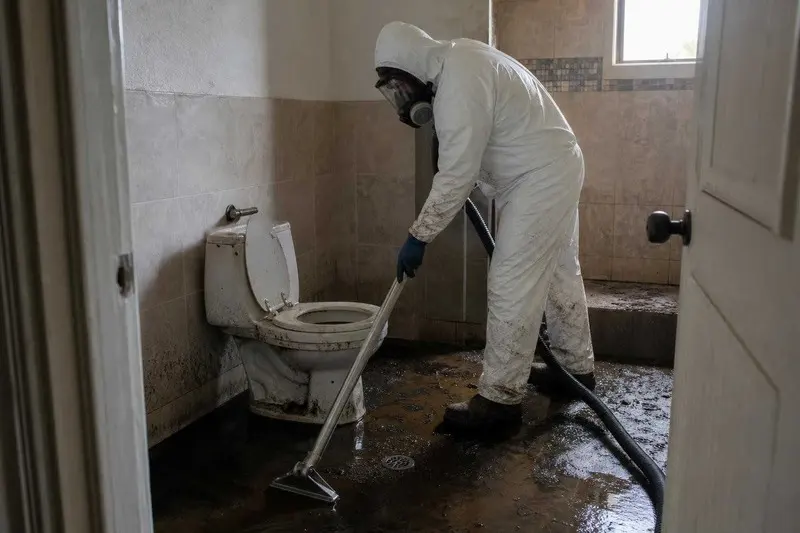
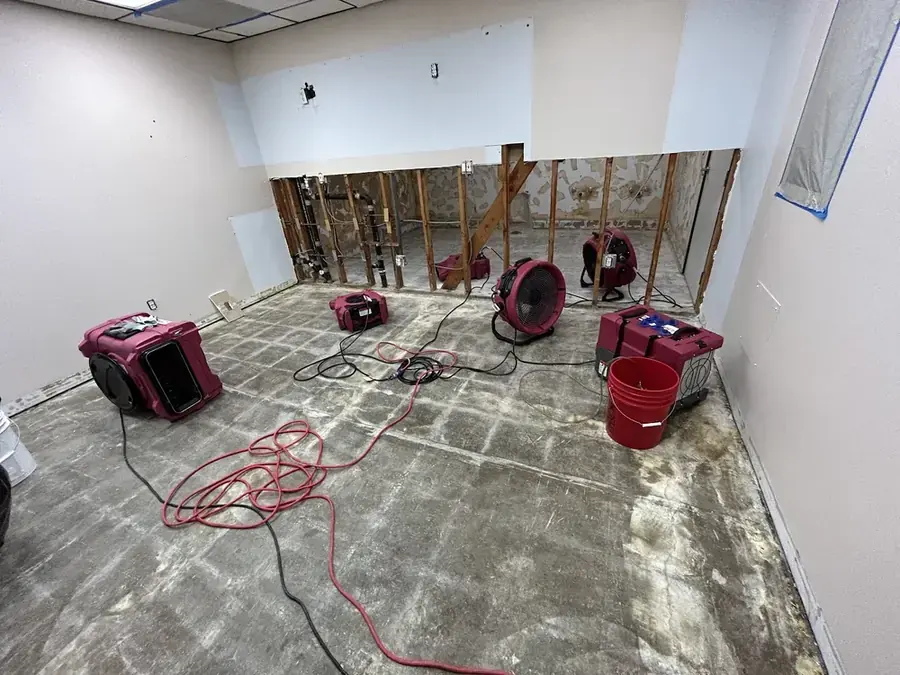
The extraction crew pumps out standing water first. If the water came from outside or a sewer line, the mitigation team treats it as Category 3 and uses protective gear. Wet insulation between the joists and damaged vapor barrier are removed, the soil and framing are cleaned, and dehumidifiers with air movers run in the crawl space until wood moisture readings reach the goal.
For storm water that also entered the living space, see flood cleanup. For a sewer line under the home, see sewage cleanup.
After the drying
Fixing grading, gutters and downspouts keeps rain away from the foundation. The EPA guide to mold and moisture explains why controlling moisture is the key to preventing mold under a home, and the Ready.gov flood guidance covers safety around flood water.